The Evolution of Dealer Interactions in Real-Time Digital Card Environments
Zara Frank · Aug 20, 2026
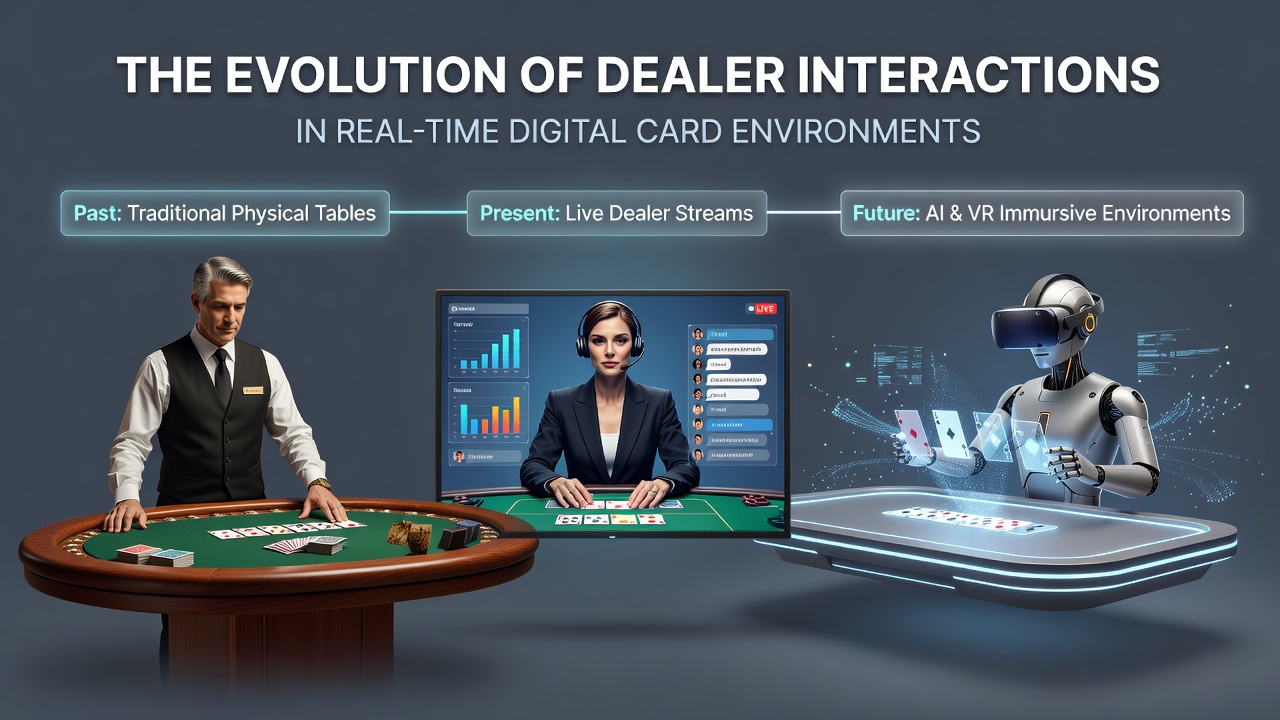
Early digital card platforms relied on random number generators that simulated dealer actions without human presence, and researchers at institutions like the University of Nevada documented how these systems delivered consistent outcomes yet lacked the visual and interactive cues that players associated with physical tables. Transitioning into the mid-2000s, live streaming technology allowed operators to broadcast real dealers from remote studios, which connected participants through basic chat functions while maintaining regulatory oversight from bodies such as the Nevada Gaming Control Board.Initial Integration of Video and Communication Tools
By the late 2000s streaming infrastructure improved enough to support multiple camera angles and synchronized card recognition software, and data from industry reports indicated that session durations increased as participants responded to visible card handling and immediate visual feedback. Observers note that software developers introduced optical character recognition to verify card values automatically, which reduced errors and enabled dealers to focus on maintaining game flow rather than manual input tasks.
Expansion of Real-Time Features
Multiplayer synchronization emerged next, allowing several users to join the same table simultaneously while dealers acknowledged individual bets through voice and gesture, and studies from European research centers showed that these elements raised engagement metrics across different time zones. Regulatory frameworks in regions like New Jersey required explicit logging of every dealer action, which pushed platforms to integrate timestamped video archives that auditors could review without disrupting ongoing sessions.
Advanced Interaction Layers Introduced After 2015
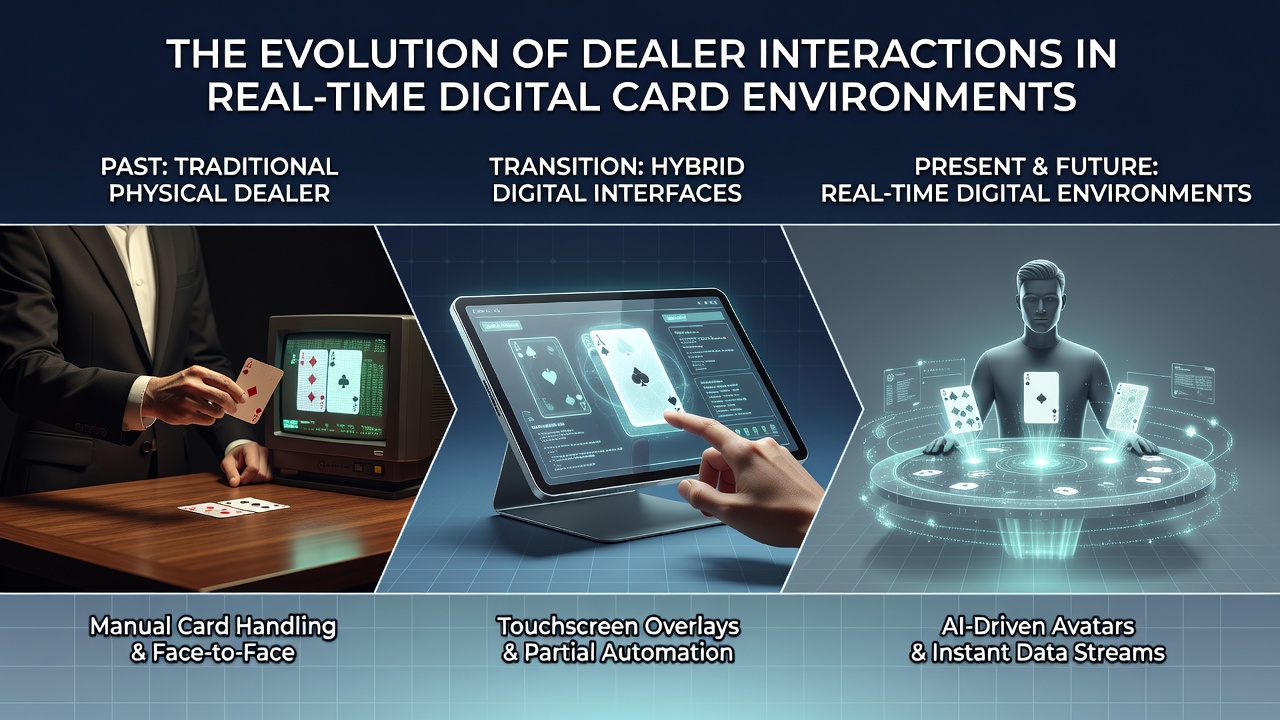
After 2015 augmented overlays began displaying dealer statistics and game histories directly on player screens, and figures from the American Gaming Association reveal that adoption rates climbed as mobile bandwidth expanded in urban markets. Dealers started using dedicated interfaces that highlighted betting patterns without revealing private information, which supported faster decisions while preserving the impartiality demanded by oversight agencies in Australia and Canada.
Gesture tracking and speech-to-text systems entered testing phases around 2018, enabling dealers to trigger game events through standardized hand movements or verbal cues that the platform translated into precise actions, and academic papers published in gaming technology journals documented accuracy improvements that reached commercial thresholds by 2021. These tools connected with backend databases that adjusted table limits dynamically based on aggregate activity, yet human oversight remained central to resolve edge cases that algorithms flagged for review.
Developments Approaching August 2026
As platforms prepared updates scheduled for release around August 2026, integration of low-latency 5G networks and refined AI-assisted translation services allowed dealers to communicate with international participants in their preferred languages while the core decision logic stayed under direct human control. Industry organizations such as the European Gaming and Betting Association compiled statistics showing that average interaction times per hand shortened without corresponding rises in dispute rates, which regulators attributed to clearer visual protocols and standardized training modules.
Conclusion
The progression from static simulations to responsive live environments demonstrates how hardware, software, and regulatory requirements converged to reshape dealer roles without eliminating the human element. Continued monitoring by independent research bodies will track how emerging standards influence both operational efficiency and participant trust across global markets.